Why Every Construction Project Needs Soil Testing
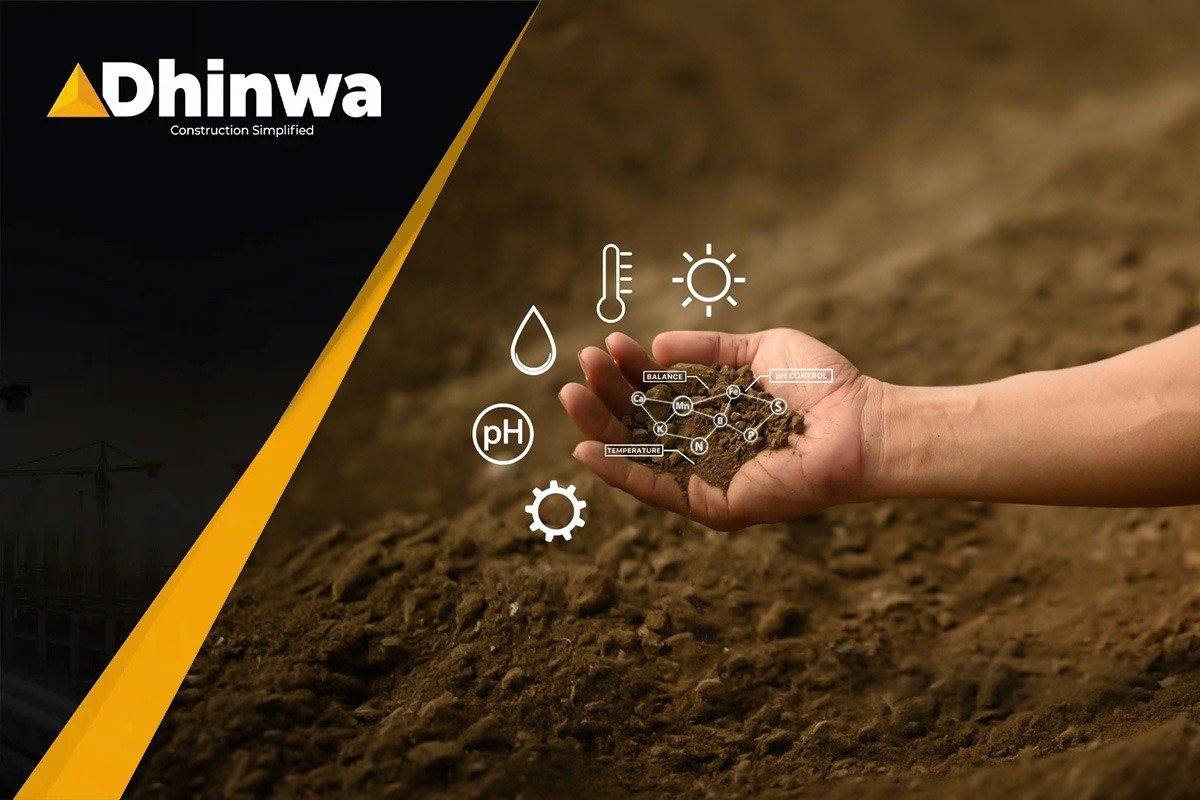
Table of Contents
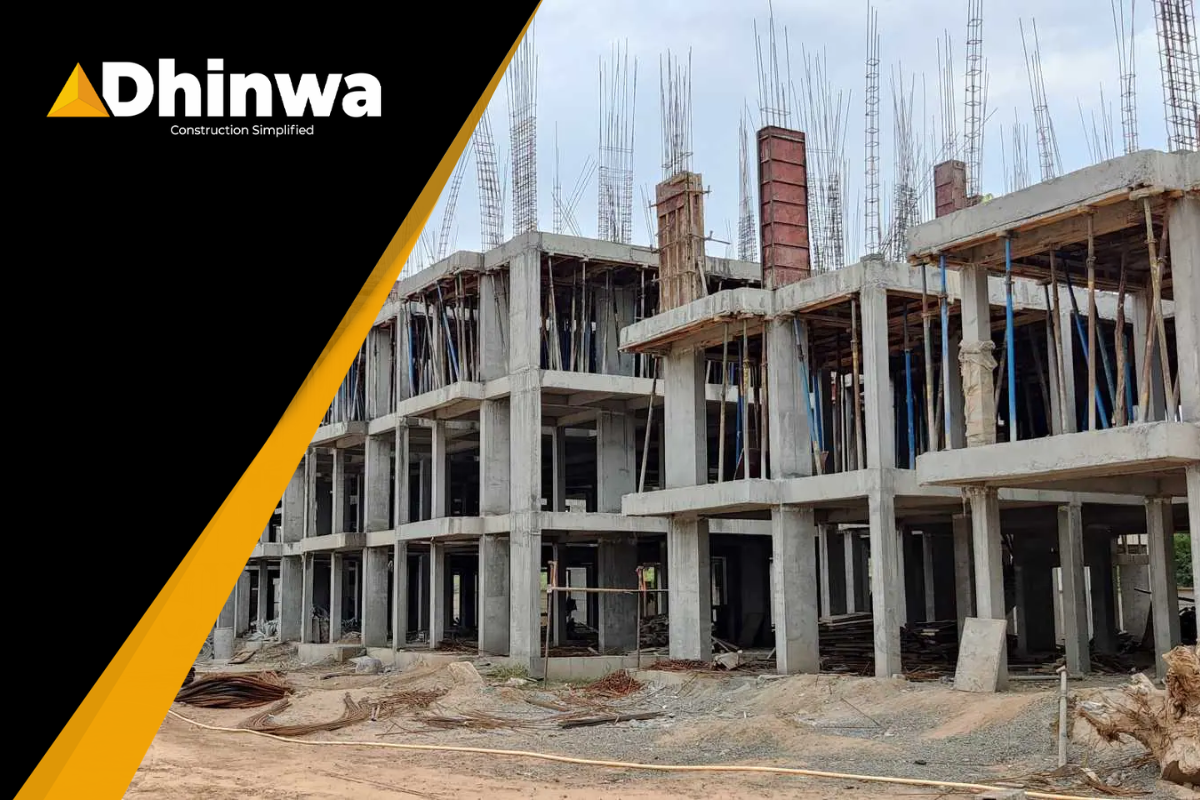
A building may look strong above the ground, but its long-term stability depends heavily on what is happening below it.
Before constructing a house, apartment building, commercial property, factory, warehouse, road, or other structure, it is important to understand the ground on which it will be built. Soil conditions can vary considerably, even within the same site. One area may have dense, stable soil, while another may contain loose fill, soft clay, or layers with high groundwater.
This is why soil testing and geotechnical investigation are important parts of the construction process.
Soil testing gives engineers information about the ground’s strength, density, moisture, composition, drainage characteristics, and other properties. This information is then used to select an appropriate foundation and to identify potential problems before construction begins.
In simple terms, soil testing helps answer an important question:
Can the proposed structure be safely and economically supported by the ground at this site?
What Is Soil Testing?
Soil testing in construction is the process of investigating and evaluating the physical, mechanical, hydraulic, and, where necessary, chemical properties of soil at a proposed construction site.
Depending on the project, the investigation may involve boreholes, trial pits, soil sampling, Standard Penetration Tests (SPT), Cone Penetration Tests (CPT), groundwater observations, and laboratory testing.
The samples and field data are then analysed by geotechnical professionals. The final geotechnical report typically describes the soil layers encountered, groundwater conditions, relevant test results, potential geotechnical risks, and recommendations for foundation and site development.
The exact scope of investigation depends on factors such as the size and type of structure, site conditions, expected loads, soil variability, and applicable building requirements.
Why Is Soil Testing Important Before Construction?
One of the common mistakes in construction is assuming that soil is strong simply because the surface appears firm.
What you see at ground level does not necessarily tell you what is several metres below it.
A site may contain layers of loose sand, soft clay, uncontrolled fill, weathered rock, expansive soil, or groundwater. These conditions can affect how a foundation behaves after the building is constructed.
For example, if the upper soil has inadequate strength or excessive compressibility, a conventional shallow foundation may not be suitable. Depending on the investigation results, the engineer may recommend increasing the foundation size, improving the ground, using a raft foundation, or transferring the building loads to deeper, stronger strata.
Finding these conditions during the planning stage is far better than discovering them after the structure has been completed.
What Does a Soil Investigation Check?

The tests selected for a project depend on the site and the type of construction. Commonly evaluated properties include:
1. Soil Composition
Soil may contain different proportions of gravel, sand, silt, clay, organic material, and other constituents.
Understanding the soil profile helps engineers determine how different layers are likely to behave under load and changes in moisture.
2. Soil Strength and Bearing Capacity
The foundation must transfer the building load to the ground without causing excessive settlement or shear failure.
Soil strength and bearing capacity are assessed using field and laboratory information together with engineering calculations. The results help determine whether the proposed foundation system is appropriate.
3. Moisture Content
Water has a significant effect on soil behavior.
Changes in moisture can reduce the strength of some soils and can cause certain clay soils to shrink or swell. Groundwater conditions can also affect excavation, drainage, basement construction, and foundation performance.
4. Density and Compaction
Loose or poorly compacted soil can compress when subjected to construction loads.
Density and compaction tests help determine whether soil or engineered fill has been placed to the required standard and whether additional compaction is necessary.
5. Plasticity
Fine-grained soils, particularly clay, can change their behavior significantly with changes in moisture.
Atterberg limits are commonly used to evaluate the plasticity and consistency characteristics of such soils.
6. Chemical Properties
In some locations, chemical testing may be required to identify sulfates, chlorides, acidity, alkalinity, or other potentially aggressive conditions.
These results can influence the selection and protection of concrete, reinforcement, buried pipes, and other construction materials.
Key Benefits of Soil Testing
Reduces the Risk of Foundation Problems
A proper investigation can identify weak, compressible, expansive, loose, or otherwise unsuitable soil layers before construction begins.
The design can then account for those conditions rather than relying on assumptions.
Helps Improve Structural Safety
Foundation design should be based on actual ground conditions as far as reasonably possible.
Soil investigation data helps engineers evaluate bearing capacity, settlement, groundwater, slope stability, and other geotechnical considerations.
Can Reduce Overall Construction Costs
Soil testing is an additional project cost, but it can help prevent much more expensive problems later.
For example, without adequate information, a designer may use a foundation that is unnecessarily large, or construction may encounter unexpected groundwater, unsuitable fill, or weak soil.
On the other hand, testing may show that a simpler and more economical foundation is sufficient.
Helps Select the Right Foundation
There is no single foundation type that works for every site.
Depending on the soil conditions and structural loads, a project might use isolated footings, strip footings, a raft foundation, ground improvement, piles, or another foundation system.
The geotechnical investigation provides important input for making that decision.
Helps Control Settlement
Some settlement after construction is normal. The concern is excessive or uneven settlement.
Differential settlement
Its occurs when different parts of a structure settle by different amounts. It can result in cracked walls, uneven floors, sticking doors and windows, and, in serious cases, structural problems.
Understanding the soil profile helps engineers assess and manage this risk.
Common Soil Tests Used in Construction

The tests performed on a site should be selected according to the project rather than using the same testing program for every development.
Field Tests
1. Standard Penetration Test (SPT)
SPT is widely used in borehole investigations to obtain an indication of soil resistance to penetration. The results can help engineers assess soil density or consistency and develop parameters for foundation design.
2. Cone Penetration Test (CPT)
CPT involves pushing an instrumented cone into the ground at a controlled rate. It provides a continuous profile of soil resistance and can be particularly useful for identifying changes between soil layers.
3. Plate Load Test
A plate load test applies a controlled load to a defined area of ground and measures the resulting settlement. It can provide useful information about the behavior of soil near the proposed foundation level.
4. California Bearing Ratio (CBR)
CBR is commonly used for road and pavement work. It provides an indication of the strength of subgrade soil and is used in pavement design.
Laboratory Tests
5. Moisture Content Test
This determines the amount of water present in a soil sample and is useful when evaluating soil classification, compaction, and strength.
6. Grain Size Analysis
This test determines the distribution of particle sizes within the soil. It helps classify the soil and understand its likely engineering behavior.
7. Atterberg Limits
These tests are particularly important for fine-grained soils. They help determine characteristics such as liquid limit, plastic limit, and plasticity index.
8. Proctor Compaction Test
The Proctor test establishes the relationship between moisture content and dry density. It helps determine the moisture condition and compaction level required for engineered fills and earthworks.
9. Permeability Test
Permeability testing evaluates how readily water can move through soil. This information can be important for drainage systems, retaining structures, groundwater assessment, and other applications.
10. Shear Strength Testing
Shear strength tests help determine how soil responds to forces that could cause sliding or failure. The results can be important for foundation design, slopes, retaining walls, excavations, and other geotechnical applications.
11. Chemical and pH Testing
Where site conditions require it, chemical testing can identify substances that may affect concrete, reinforcement, buried utilities, or other construction materials.
How Soil Testing Influences Foundation Design
The results of a geotechnical investigation become an important input to structural and foundation design.
Foundation Depth
The investigation helps determine whether suitable bearing strata are available near the surface or whether loads need to be transferred deeper into the ground.
Foundation Size
Where allowable bearing pressure is relatively low, larger foundation areas may be required to distribute structural loads safely.
Foundation Type
Depending on soil strength, settlement characteristics, groundwater, structural loads, and other factors, engineers may recommend shallow foundations, raft foundations, ground improvement, or deep foundations such as piles.
Material and Durability Considerations
If the ground contains aggressive chemical conditions, the design may need to include appropriate concrete specifications, reinforcement protection, coatings, or other durability measures.
What Can Happen If Soil Investigation Is Inadequate?
Skipping or significantly reducing a soil investigation may appear to save time and money, but it can increase uncertainty during design and construction.
Potential problems include:
- Excessive or differential settlement
- Cracks in walls and finishes
- Foundation movement
- Unexpected groundwater during excavation
- Poor performance of fills and embankments
- Drainage problems
- Slope instability
- Unexpected ground improvement or foundation costs
- Construction delays
Not every site will experience these problems, but inadequate understanding of the ground makes them more difficult to predict and manage.
When Should Soil Testing Be Done?
Ideally, the geotechnical investigation should begin during the planning and design stage, before the foundation design is finalized.
1. Before Purchasing Land
For larger or more complicated projects, preliminary investigation can help identify major ground-related constraints before a land purchase is finalized.
2. During Design
Detailed investigation provides the information required by structural and geotechnical engineers to develop an appropriate foundation design.
3. Before Major Earthwork
The investigation can help establish requirements for excavation, filling, grading, drainage, and compaction before major site work begins.
4. During Construction
Additional field testing may be necessary during construction to confirm that the soil and fill meet the project’s specified requirements.
How Is Soil Testing Conducted?
A typical geotechnical investigation may involve the following steps:
- Site Review
Available site information, previous reports, topography, drainage, nearby structures, geological information, and visible ground conditions are reviewed.
- Field Investigation
Boreholes, trial pits, sampling, and in-situ tests are carried out at selected locations.
- Sample Collection
Soil samples are collected, identified, preserved, and transported for laboratory testing. The type of sample required depends on the test and the soil being investigated.
- Laboratory Testing
Selected samples are tested for properties such as moisture content, grain size, plasticity, compaction, shear strength, permeability, and chemical characteristics.
- Engineering Analysis
The field and laboratory results are interpreted in relation to the proposed structure, site conditions, and expected loads.
- Geotechnical Report
The final report generally presents the soil profile, groundwater observations, test results, engineering parameters, potential risks, and recommendations relevant to the project.
- Construction Verification
During construction, field testing can be used to verify excavation conditions, fill placement, compaction, and other specified requirements.
The number, location, and depth of boreholes should be determined based on the size and type of project, expected loads, site variability, and applicable standards or regulations.
What Can Affect Soil Testing Results?
Soil investigation is not simply about collecting a sample and sending it to a laboratory. The quality of the investigation and the way samples are handled can affect the reliability of the results.
Seasonal Conditions
Soil moisture and groundwater levels can change with rainfall and seasonal conditions. In areas affected by monsoon rainfall, for example, groundwater and moisture conditions may differ substantially between seasons.
Sample Disturbance
Some laboratory tests require relatively undisturbed samples. Poor sampling, handling, or transportation can change the condition of the sample and affect the test results.
Number and Depth of Boreholes
A few boreholes may not adequately represent a large or geologically variable site. Investigation depth should also be sufficient to identify soil layers that could influence foundation performance.
How to Choose a Soil Testing Laboratory?
The quality of the investigation depends not only on the equipment but also on the competence of the people carrying out and interpreting the work.
When selecting a laboratory or geotechnical consultant, consider:
- Relevant accreditation and applicable regulatory requirements
- Qualified and experienced geotechnical professionals
- Properly calibrated testing equipment
- Appropriate field investigation capabilities
- Clear documentation of testing procedures
- Experience with projects similar to yours
- Detailed reports that provide engineering interpretation rather than only laboratory numbers
For projects in India, it is also sensible to check whether the laboratory’s accreditation and testing capabilities are appropriate for the specific tests required and whether the work is being carried out in accordance with the relevant Indian Standards and project requirements.
What Determines the Cost of Soil Testing?
There is no fixed price for a soil investigation. The cost depends on the scope of work and the site’s complexity.
Site Accessibility
Difficult terrain or restricted access can increase drilling and mobilisation costs.
Number and Depth of Boreholes
Larger buildings and more complex sites generally require a more extensive investigation.
Laboratory Testing
The number and type of laboratory tests can significantly affect the total cost.
Soil and Groundwater Conditions
Highly variable soil or unexpected groundwater may require additional investigation or testing.
Project Type
A small residential building does not necessarily require the same investigation as a high-rise building, industrial facility, bridge, or major road project.
Real-World Examples of Soil-Related Problems
Soil behavior has played a role in many well-known construction problems.
The Leaning Tower of Pisa, for example, is a classic illustration of how foundation conditions and differential settlement can affect a structure. The tower was built on relatively weak, compressible ground, and its foundation settled unevenly.
Expansive clay can create another type of problem. In areas where reactive clay undergoes repeated wetting and drying, the resulting swelling and shrinkage can place significant movement on foundations and walls.
Liquefaction is another important geotechnical hazard. During strong earthquakes, loose, saturated granular soils can temporarily lose much of their strength, potentially causing buildings and other structures to settle or tilt.
These examples demonstrate why understanding ground conditions is an important part of responsible construction.
Soil Testing Checklist Before Construction
Before starting foundation work, the project team should consider whether the following have been addressed:
- Engage a qualified geotechnical consultant or testing laboratory.
- Review the proposed building layout and foundation loads.
- Determine suitable borehole or investigation locations.
- Carry out appropriate field investigation and in-situ testing.
- Collect and preserve the required soil samples.
- Complete relevant laboratory tests.
- Assess groundwater and drainage conditions where applicable.
- Obtain and review the geotechnical report.
- Coordinate the findings with the structural engineer.
- Incorporate the geotechnical recommendations into the foundation design.
- Carry out construction-stage testing where required.
How Dhinwa Construction Delivers Reliable Soil Testing & Maximum Value
At DHINWA CONSTRUCTION AND ENGINEERING PRIVATE LIMITED, we bridge the gap between complex geotechnical science and safe, cost-effective building execution. Utilizing advanced field equipment, NABL-compliant testing standards, and experienced geotechnical engineers, we conduct thorough multi-point site investigations—from borehole drilling and Standard Penetration Tests (SPT) to comprehensive laboratory sample analysis. We don’t just hand over raw test data; we deliver actionable, easy-to-understand engineering insights tailored to your structural requirements and local Indian Standard (IS) codes.
Partnering with DHINWA CONSTRUCTION AND ENGINEERING PRIVATE LIMITED brings distinct, long-term benefits to your project:
- Tailored Foundation Recommendations: We eliminate design guesswork, helping your structural team design optimized foundations—preventing both unsafe under-engineering and costly over-engineering.
- Proactive Risk Mitigation: By detecting hidden soft clay, expansive soils, high groundwater tables, or chemical threats early, we shield you from future risks like structural cracks or differential settlement.
- Significant Cost & Time Savings: Preventing post-construction foundation repairs saves lakhs in remedial work while keeping your project timeline strictly on schedule.
- End-to-End Technical Guidance: From initial land assessment to construction-stage compaction verification, our team supports you through every phase with complete transparency.
With DHINWA CONSTRUCTION AND ENGINEERING PRIVATE LIMITED, you gain a trusted technical partner committed to ensuring your structure stands strong on a solid foundation.
Conclusion: Know the Ground Before You Build
A good foundation starts with a clear understanding of the ground beneath it.
Soil testing cannot eliminate every construction risk, but it can significantly reduce uncertainty. It gives engineers information they need to make better decisions about foundation type, foundation size, ground improvement, excavation, drainage, and construction methods.
For property owners and developers, the cost of a soil investigation is usually small compared with the potential cost of correcting a foundation or settlement problem after construction.
The goal is not simply to perform a soil test and obtain a report. The real value comes from using reliable ground information to make sound engineering decisions before and during construction.
Every strong building starts with accurate ground work.