
School & Educational Infrastructure
Construction in Jaipur, Rajasthan
Institutional campuses built around one constraint that no other building type shares: the academic calendar cannot move. Construction must deliver on time because an affiliation authority, a student intake cycle, or an opening ceremony already has a date.
A School Campus Is Not a Collection of Buildings.
It Is a Planned Institution.
A residential tower is delivered once. A hotel has a single opening date. An educational campus is delivered in phases classrooms before the first academic session, hostels before students arrive, a sports complex before the next expansion intake, staff quarters before faculty is hired. Every phase is tied to an institutional event that the management has already committed to an admissions cycle, an affiliation inspection, a board visit.
That is the specific discipline educational construction requires. Not just building well building to a sequenced delivery plan that the institution can operate around.
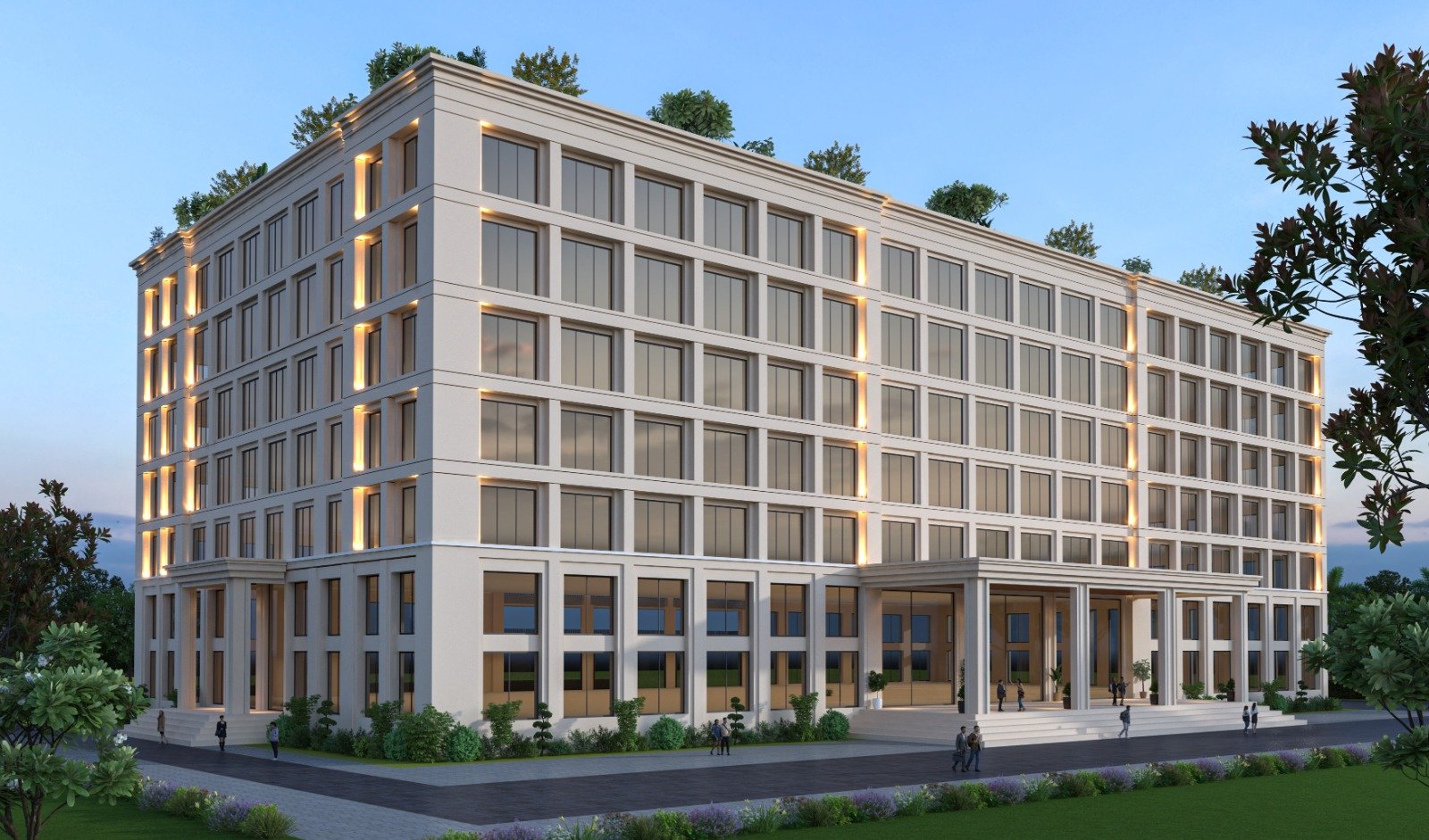
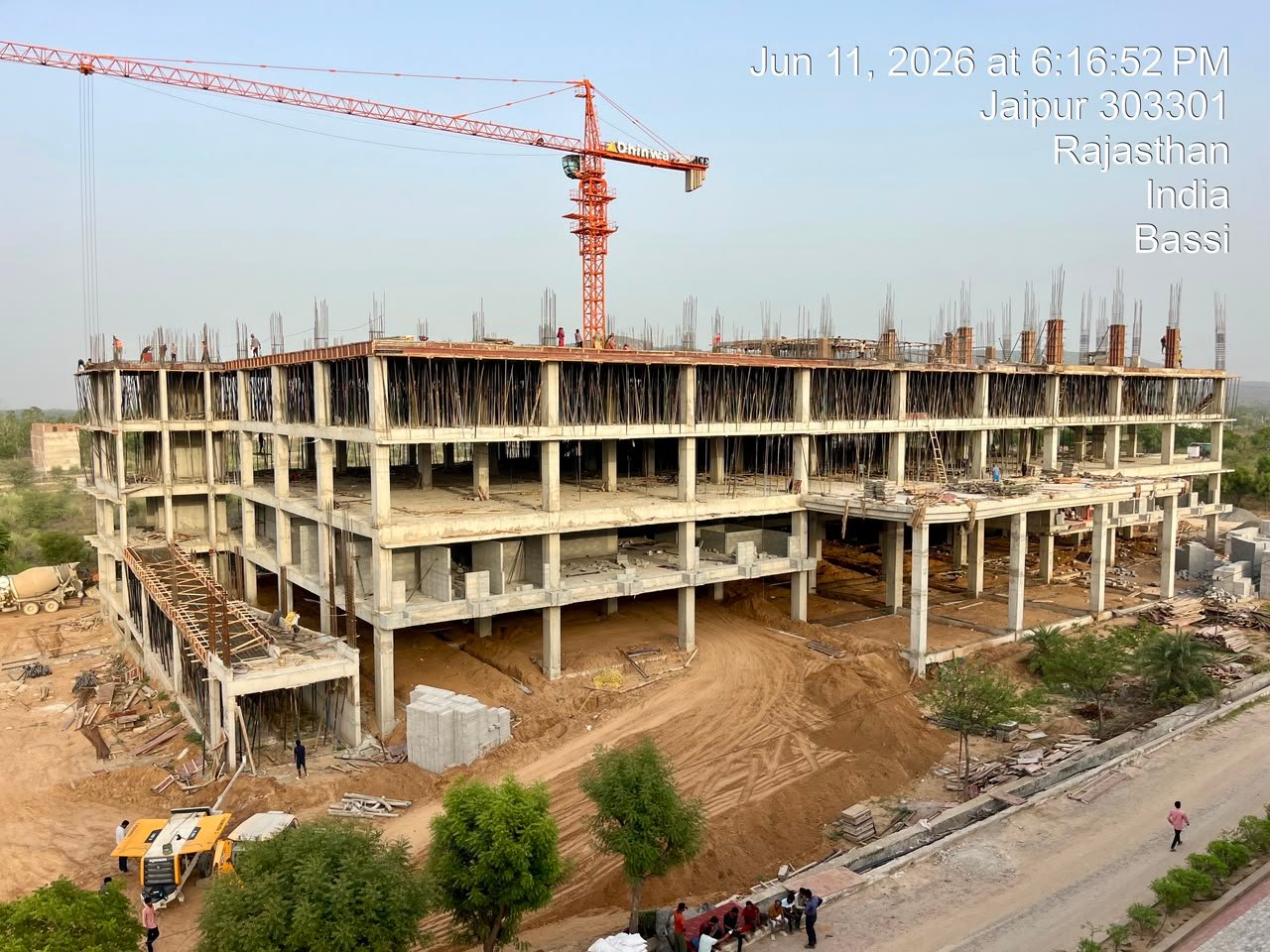
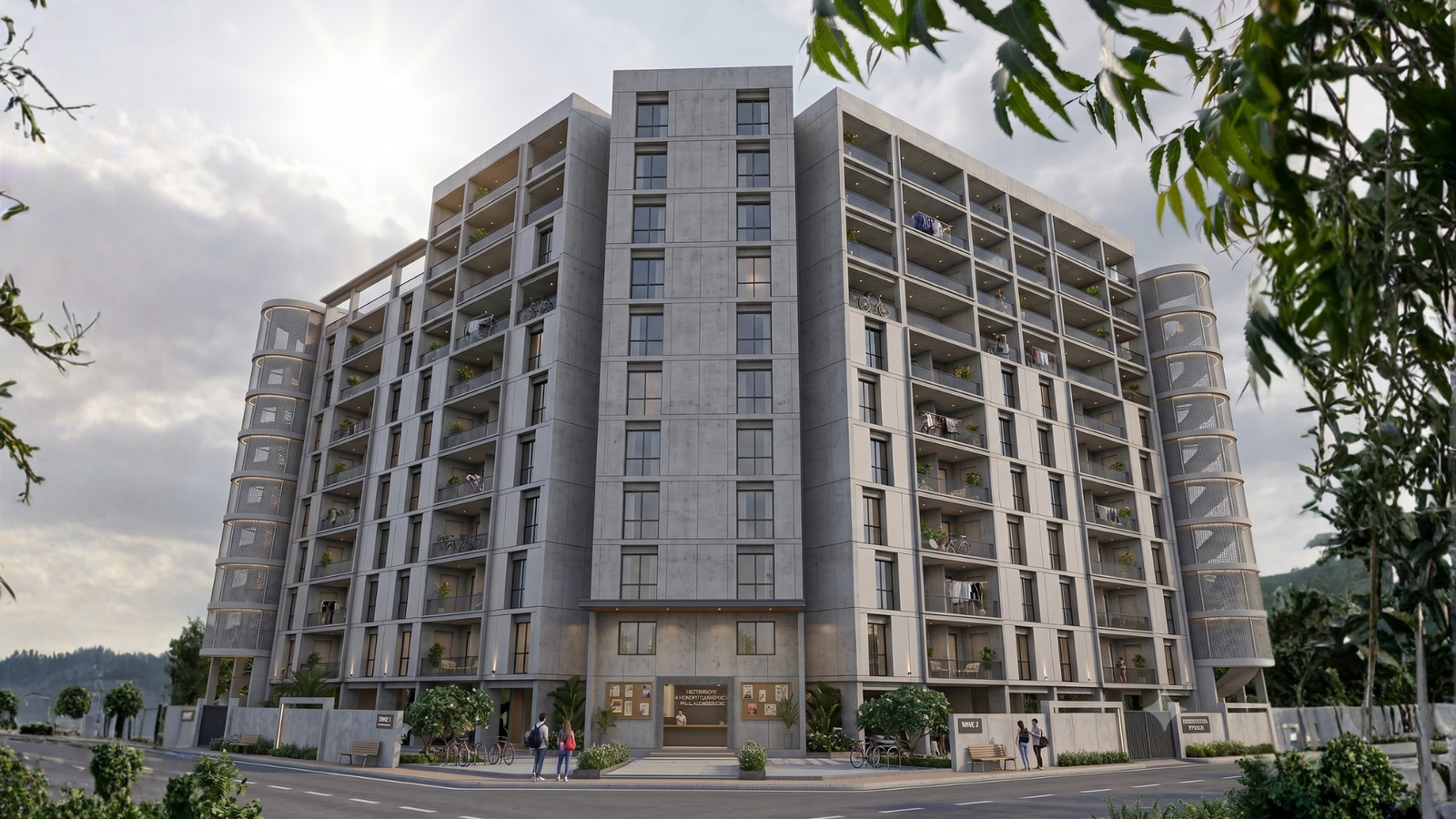
Dhinwa is constructing Nirwan University's Hostel, and medical college campus as well as JNU's boys hostel, PG hostel and admin building in Jaipur. Dr. S.L. Sihaag, Chairman of Nirwan Institutions, began with one project and is now working with Dhinwa on multiple projects simultaneously. In institutional construction, a returning client with an expanding campus is the clearest possible endorsement.
Affiliation Deadlines Are
Not Negotiable With the Building.
CBSE, RBSE, UGC, AICTE, and state education authority affiliations are granted against a specific inspection and that inspection verifies the physical infrastructure. If the classroom block is incomplete, the inspection does not wait. If the laboratory is not fitted out, the affiliation is deferred to the next cycle which could be twelve months away. For a school or college planning its first intake, a delayed affiliation is a year of lost revenue, a year of unfulfilled admissions, and a year of eroded institutional credibility.
The construction programme on every Dhinwa educational project is locked to the affiliation or academic calendar deadline first and everything else is sequenced backwards from that date. This is the single most important planning discipline in institutional construction and the one that is most commonly ignored by contractors who treat educational projects like any other build.
Dhinwa's track record on the Nirwan Institutions and JNU campuses getting constructed on schedule reflects this approach in practice, not just in principle.
Educational Infrastructure
Dhinwa Is Equipped to Build
Educational campuses in Rajasthan span CBSE schools, private universities, technical colleges, and multi-institution campuses. Each carries its own regulatory framework and construction sequence.
Five Things That Make Educational
Construction Technically Distinct
A contractor experienced in residential or commercial buildings will encounter requirements on an educational campus that those building types never prepared them for.
What a Complete Educational Campus
Requires Dhinwa to Build
Most educational campus projects involve multiple building types delivered in sequence. Below is the full scope of components Dhinwa has built or is equipped to build across Rajasthan's educational sector.
The Systems Behind a Campus
That Meets Its Affiliation Deadline
Educational projects fail their deadlines at the planning stage, not the construction stage. The programme must be built with the institutional calendar as the anchor.

The first question on every educational project is not 'when can we start?' it is 'when must this be ready for inspection?' The affiliation deadline, the academic year start, the planned first-intake date these are the fixed end points. Dhinwa programmes backwards from these milestones, identifying what must be complete for the affiliation inspection versus what can be delivered in a subsequent phase. A partial building that passes inspection on time is worth more than a complete building that misses the affiliation cycle.
Affiliation bodies inspect against a dossier and that dossier includes completion certificates, fire NOC, structural stability certificates, and area measurement documentation that must match the application exactly. Dhinwa's project team tracks this documentation from the construction stage. When the inspector arrives, the file is ready. The building and the paper are aligned.
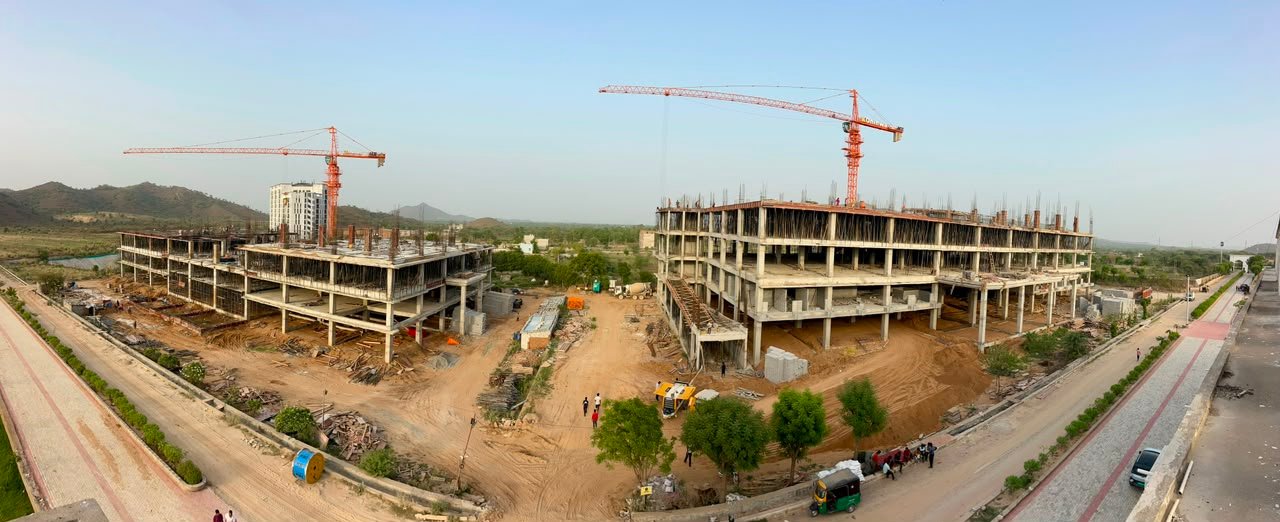
On the Nirwan Institutions campus, construction of new components took place alongside active academic operations. That requires a different site management discipline sequenced construction access to avoid student circulation routes, noise and vibration management during examination periods, and dust containment adjacent to occupied buildings. These constraints are planned into the site logistics before mobilisation, not managed reactively during construction.
School buildings have stricter occupant safety requirements than any other non-clinical building type. Staircase widths, balustrade heights, window configurations, and fire exit provisions are specified to NBC school-building standards and verified at the construction drawing stage not corrected after walls are up. Safety inspectors from the state education authority look at these details. They must be correct before the first student enters the building.
Science labs, computer rooms, engineering workshops, and vocational training spaces require structural decisions slab loading, ceiling heights, MEP penetrations, ventilation routes, drainage provisions that must be made before the structure is cast. Dhinwa coordinates laboratory requirements with the institution's academic planning team at the design stage, so the building supports the pedagogy rather than constraining it.
How a Dhinwa Educational Campus
Is Planned and Delivered
Six stages. The programme is locked to the institutional calendar in Stage 1 everything that follows serves that anchor.
Institutional Campuses
Getting Built in Jaipur
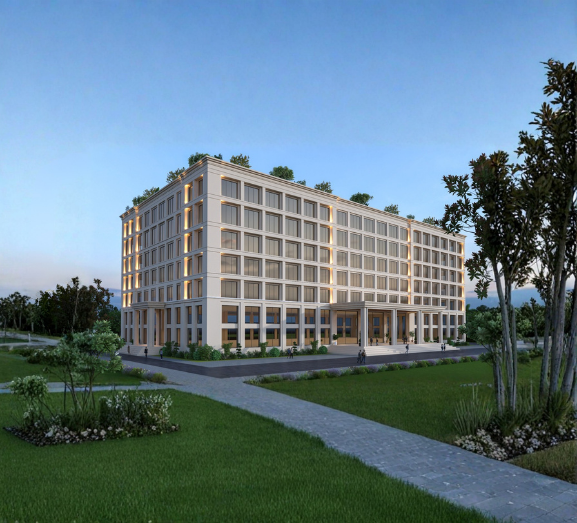
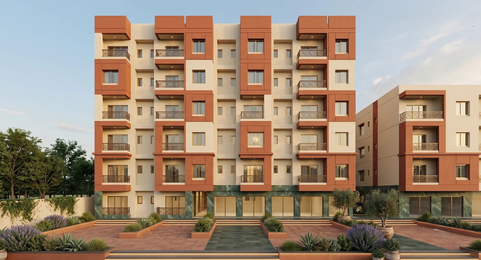
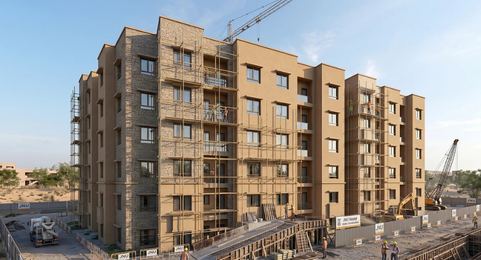
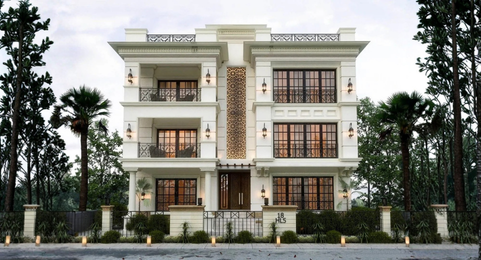
Every project below is getting constructed as part of an active institutional campus built around academic timelines, affiliation requirements, and phased occupation by students and faculty.
What a University Chairman Says
After Two Phases of Campus Construction
Dr. S.L. Sihaag did not give a second campus project to Dhinwa because of a proposal. He gave it because the first phase was delivered and he saw what that meant in practice.
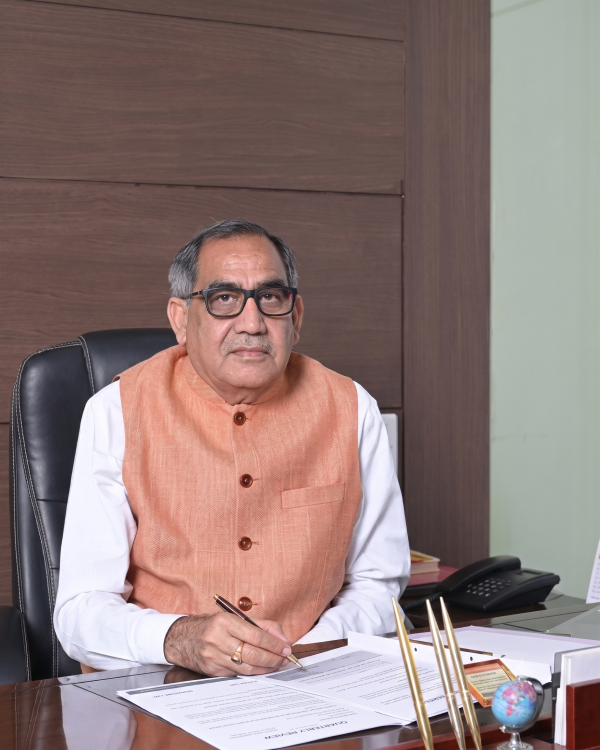
I initially started with just one project with them, and seeing their commitment to quality and speed of development, we are now working together on multiple projects. Even though the work is still ongoing, the experience so far has been very positive. It is reassuring to collaborate with a team that truly lives by their values at every stage.
Speed of development. Quality. A team that lives by its values. For an institution managing multiple campus phases simultaneously, these are not aspirational qualities they are operational necessities.
Certified Systems.
Directly Relevant to Institutional Construction.
ISO 9001 quality management documentation and ISO 45001 safety management are directly applicable to educational campus construction where state education authority inspections, child safety standards, and institutional governance require documented systems, not verbal assurances.
School & Educational Construction
What Institutions Actually Ask
Eight questions, answered directly. No qualification, no hedge.


Planning a School or University Campus in Jaipur?
The Affiliation Calendar Is Already Set.
Educational construction that misses its affiliation deadline doesn't just delay a building it delays an entire academic year and the students who were going to fill it. Send us your institutional brief and we'll start from the deadline, not the drawing board.