
The Impact of Monsoon on Construction Projects and How to Manage It
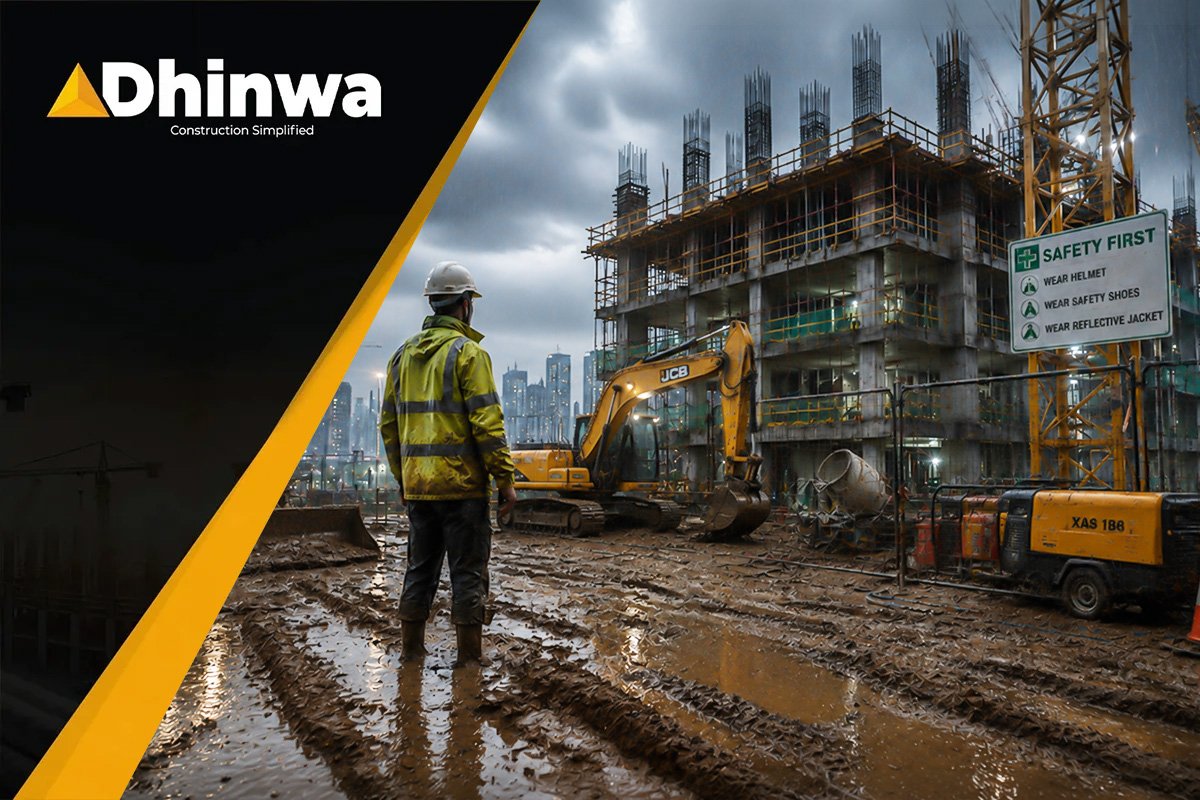
Table of Contents
Monsoon is one of the most challenging seasons for construction projects. While rainfall is essential for replenishing water resources, it creates significant obstacles for builders, contractors, and homeowners. Heavy rain, high humidity, waterlogged soil, and unpredictable weather can affect nearly every stage of construction—from excavation and foundation work to concrete pouring, masonry, plastering, and finishing.
Without proper planning, a single week of continuous rainfall can delay project timelines, damage construction materials, weaken structural elements, and increase labor and repair costs. Many of these issues are avoidable with the right preparation, material protection, and site management practices.
Understanding how monsoon affects construction and adopting preventive measures can help maintain project quality, ensure worker safety, and reduce unnecessary expenses.
Major Impacts of Monsoon on Construction Projects
1. Concrete Quality Can Be Compromised
Concrete is highly sensitive during its initial setting period. If heavy rain falls shortly after concrete is poured, excess water can wash away cement paste from the surface, increasing the water-cement ratio and reducing overall strength.
Rain can also create uneven surfaces, reduce durability, and lead to early cracking. Foundations, slabs, beams, and columns are especially vulnerable if they are left uncovered during sudden showers.
Even when rain is not heavy, consistently high humidity slows the curing process and affects the concrete’s long-term performance.
2. Soil Becomes Weak and Unstable
Monsoon rains saturate the ground, reducing the soil’s bearing capacity. Excavated pits may collapse, trenches can fill with water, and foundation work becomes more difficult.
Loose or waterlogged soil increases the likelihood of settlement after construction, which may eventually cause cracks in building, uneven floors, or structural movement.
Sites with poor drainage face an even greater risk because standing water keeps the ground saturated for extended periods.
3. Construction Materials Are Easily Damaged
Building materials absorb moisture quickly during the rainy season if they are not stored properly.
Cement hardens when exposed to moisture, making it unsuitable for construction. Bricks soaked in standing water may lose strength and absorb excessive moisture, affecting mortar bonding. Steel reinforcement left uncovered for long periods may begin to rust, reducing its durability if corrosion is severe.
Timber, plywood, gypsum boards, insulation materials, and interior finishing products can also warp or deteriorate after prolonged exposure to moisture.
4. Masonry, Plastering, and Finishing Become More Difficult
Brickwork performed during continuous rainfall often suffers from poor mortar bonding because excess moisture interferes with proper curing.
Similarly, plaster applied during periods of high humidity may dry unevenly, leading to surface cracks, peeling, or efflorescence. Paint applied before walls are completely dry can blister, peel, or develop fungal growth within a short period.
These finishing defects often require expensive repairs after project completion.
5. Site Drainage Problems Slow Construction
Poor drainage is one of the most common causes of monsoon-related delays.
Water accumulates around foundations, excavation pits, and work areas, making it difficult for workers and machinery to operate safely. Muddy access roads slow material transportation and increase equipment wear.
Without temporary drainage systems, construction activities may remain suspended even after rainfall has stopped.
6. Electrical and Worker Safety Risks Increase
Wet working conditions significantly increase the risk of electrical accidents.
Temporary wiring, extension cables, generators, and power tools become hazardous when exposed to rainwater. Slippery surfaces also increase the chances of falls, particularly when working on scaffolding, roofs, or elevated platforms.
Strong winds accompanying storms can further destabilize scaffolding, temporary structures, and protective coverings.
7. Project Delays Affect Overall Budget
Every weather-related delay impacts the project schedule.
Interrupted concrete pours, postponed plastering, delayed painting, and reduced labor productivity often extend completion dates. Equipment rentals, labor wages, and site overhead costs continue even when work cannot proceed, increasing the overall project budget.
The longer the delay, the greater the financial impact on both contractors and property owners.
How to Manage These Challenges
Protect Fresh Concrete Immediately
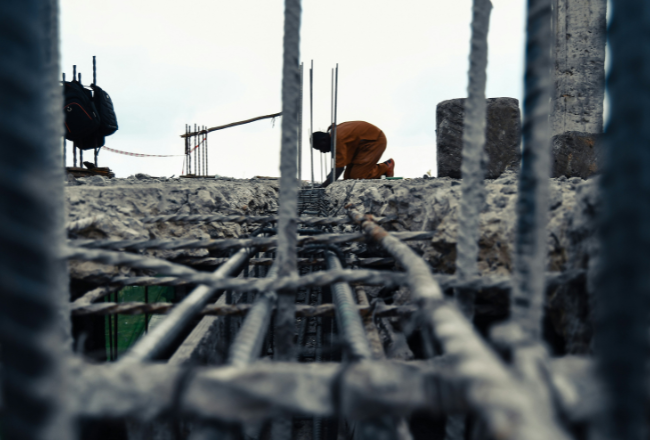
Fresh concrete should always be covered immediately after finishing whenever rain is expected.
Waterproof polyethylene sheets or heavy-duty tarpaulins should extend beyond slab edges to prevent runoff from reaching the concrete surface. Columns and beams should remain protected until they achieve sufficient strength.
Concrete mix designs may also require water-reducing admixtures to maintain workability without increasing the water-cement ratio during humid weather.
Store Construction Materials Properly
Proper storage prevents expensive material losses during monsoon.
Cement should be stored inside dry, well-ventilated sheds on raised wooden platforms with adequate clearance from walls. Bricks should be stacked above ground level and covered with waterproof sheets while allowing sufficient airflow.
Steel reinforcement should be elevated from the ground and protected against prolonged exposure to rain. Interior finishing materials should remain in enclosed storage until installation.
Improve Site Drainage
An effective drainage system is essential before major construction begins.
The site should be graded so rainwater naturally flows away from foundations. Temporary drainage channels, PVC pipes, and sump pits help remove accumulated water quickly after heavy rainfall.
Regular cleaning of nearby drains prevents blockages that may cause flooding around the construction site.
Monitor Weather Forecasts Daily
Weather monitoring allows contractors to plan activities more efficiently.
Concrete pouring, plastering, waterproofing, and painting should be scheduled during predicted dry periods. Tasks that are less affected by rain, such as indoor plumbing, electrical conduit installation, or fabrication work, can continue during unfavorable weather.
Daily weather planning reduces disruptions and improves workforce productivity.
Adjust Construction Scheduling
Construction schedules should remain flexible throughout the rainy season.
Critical structural work should ideally be completed before peak monsoon arrives whenever possible. If work must continue during the rainy months, activities should be organized around weather forecasts rather than fixed calendar dates.
Night or early morning work may sometimes provide better weather conditions for specific finishing activities.
Use Suitable Construction Materials
Several construction products perform better under monsoon conditions.
Waterproofing admixtures improve concrete durability by reducing water permeability. Quick-setting plaster reduces exposure time before rain begins. Moisture-resistant boards, corrosion-resistant reinforcement coatings, and quality waterproofing membranes also improve long-term performance.
Although these materials may cost slightly more initially, they often prevent much larger repair expenses later.
Strengthen Safety Measures
Safety procedures become even more important during monsoon.
Electrical systems should include properly insulated cables, weatherproof connections, grounding, and residual-current protection devices. Workers should wear slip-resistant footwear, waterproof protective clothing, gloves, and helmets.
Scaffolding, ladders, and temporary structures should be inspected regularly, especially after heavy rain or strong winds.
Daily safety briefings help workers recognize changing site conditions before starting work.
Common Mistakes to Avoid
Several avoidable mistakes repeatedly cause construction failures during the rainy season.
Many contractors leave freshly poured concrete uncovered, assuming light rainfall will not cause damage. Others continue adding extra water to concrete or mortar to improve workability, which reduces strength considerably.
Improper storage of cement, bricks, and steel exposes materials to moisture, resulting in unnecessary waste. Poor site drainage allows water to collect around foundations, increasing the risk of settlement and dampness.
Ignoring weather forecasts often leads to interrupted construction activities that could have been rescheduled with minimal disruption.
Electrical safety is another area frequently overlooked. Temporary wiring without proper protection creates unnecessary risks for workers during wet conditions.
Avoiding these mistakes significantly improves construction quality and minimizes costly repairs.
Cost Impact of Poor Monsoon Management
Poor planning during the monsoon can become extremely expensive.
Damaged concrete may require complete removal and replacement. Waterlogged bricks, spoiled cement, and rusted reinforcement increase material costs. Delayed schedules extend labor expenses, equipment rentals, and project overheads.
Moisture trapped inside walls can later cause damp patches, mold growth, paint failure, and electrical problems that require extensive repairs after occupancy.
In contrast, preventive measures such as protective covers, proper storage, drainage improvements, waterproofing materials, and weather monitoring typically represent only a small fraction of the total construction budget.
Investing in prevention is almost always more economical than repairing monsoon-related damage after construction.
Decision Guide: When to Pause and Resume Work
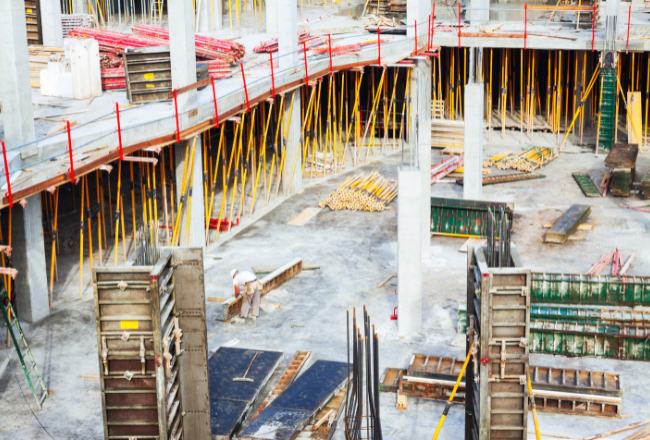
Construction activities should not automatically stop throughout the entire monsoon season, but they should be carefully managed.
Work should be paused when heavy rainfall is forecast, lightning is nearby, strong winds create unsafe working conditions, excavation pits become flooded, or standing water cannot be removed promptly.
Construction can safely resume once surfaces are dry, excavation areas have been inspected, drainage systems are functioning properly, and weather forecasts indicate a stable dry period.
Some indoor activities, including electrical conduit installation, plumbing, equipment maintenance, material preparation, and certain interior works, may continue safely while outdoor operations remain suspended.
Careful decision-making helps balance productivity with safety and construction quality.
How Dhinwa Construction Delivers Quality Projects During Monsoon
At Dhinwa Construction, the monsoon is not viewed as a reason to stop building—it is a season that demands smarter planning, stricter quality control, and proactive site management. Our team carefully monitors daily weather forecasts to schedule critical activities such as concrete pouring, waterproofing, and plastering during suitable weather windows. Fresh concrete is immediately protected with waterproof coverings, while cement, steel, bricks, and other construction materials are stored using proper moisture-protection methods to prevent damage.
We also prioritize effective site drainage to avoid waterlogging, inspect scaffolding and electrical systems regularly, and enforce strict safety protocols to protect our workforce during wet conditions. When outdoor work is affected by heavy rainfall, we efficiently shift to indoor activities wherever possible to keep projects moving without compromising quality. By combining experienced planning, durable construction practices, and a commitment to safety, we ensure that every project maintains high standards of strength, durability, and timely execution—even during the challenging monsoon season.
Conclusion
Monsoon presents unique challenges for every construction project, but it does not have to result in poor workmanship, costly delays, or major financial losses. Success during the rainy season depends on preparation, proper material handling, effective drainage, weather monitoring, flexible scheduling, and strict safety practices.
By protecting fresh concrete, storing materials correctly, improving water management, and planning construction activities around weather conditions, contractors and homeowners can maintain project quality even during extended periods of rainfall.
Rather than treating monsoon as an unavoidable obstacle, construction teams should view it as a condition that requires careful planning and disciplined execution. A proactive approach not only safeguards the structure but also saves time, reduces repair costs, and ensures that the finished building performs reliably for years to come.
Frequently Asked Questions
1. Is it safe to continue construction work during the monsoon season?
Yes, construction can continue during the monsoon if proper planning and safety measures are in place. However, activities such as excavation, concrete pouring, and work at heights should be paused during heavy rainfall, lightning, or strong winds to ensure worker safety and maintain construction quality.
2. How does rain affect freshly poured concrete?
Rain can increase the water-cement ratio, wash away cement paste from the surface, and reduce the concrete’s strength and durability. To prevent damage, freshly poured concrete should be covered immediately with waterproof sheets or tarpaulins until it gains sufficient strength.
3. What is the best way to protect construction materials during the rainy season?
Cement should be stored in dry, well-ventilated sheds on raised platforms, while steel should be kept off the ground and protected from prolonged exposure to rain. Bricks, timber, plywood, and other moisture-sensitive materials should be covered properly and stored in enclosed or elevated areas to prevent deterioration.
4. Why is proper drainage important on a construction site during monsoon?
Good drainage prevents waterlogging around foundations and excavation areas, reduces delays caused by standing water, and minimizes the risk of soil weakening, settlement, and structural issues. Temporary drainage channels and sump pits are effective solutions during the rainy season.
5. Can painting and plastering be done during the monsoon?
These activities can be carried out during periods of low humidity and dry weather, but they should be avoided during continuous rainfall or when walls remain damp. Applying plaster or paint on wet surfaces can lead to cracks, peeling, blistering, and fungal growth.
6. How does Dhinwa Construction ensure project quality during the monsoon?
Dhinwa Construction follows a proactive monsoon management approach by monitoring weather forecasts, protecting fresh concrete, storing materials correctly, improving site drainage, maintaining strict safety standards, and adjusting work schedules based on weather conditions. This helps deliver durable, high-quality construction while minimizing delays and avoiding costly repairs.