
PMC in Construction: Everything You Need to Know
Table of Contents
Every construction project, whether it’s a residential complex, a commercial tower, or an industrial facility, involves dozens of moving parts. Contractors, architects, engineers, suppliers, government approvals, budgets, and timelines all need to work together seamlessly. This is where PMC in construction comes into play. PMC, or Project Management Consultancy, is a specialized service that oversees and coordinates every stage of a construction project to ensure it is completed on time, within budget, and to the required quality standards.
With the increasing complexity of modern construction projects, effective planning, coordination, and supervision have become essential for successful project delivery. A PMC helps streamline the entire construction process by bringing together different stakeholders and ensuring that every activity follows the planned schedule and quality requirements. From managing resources and monitoring progress to resolving challenges and maintaining compliance with industry standards, a Project Management Consultancy provides expert guidance at every stage. By acting as a trusted partner for developers and clients, a PMC helps minimize risks, control costs, improve efficiency, and achieve the desired project outcomes with greater confidence.
What is PMC in Construction?
PMC stands for Project Management Consultancy (sometimes referred to as Project Management Consultant). It refers to a team of professionals hired by a client or developer to manage a construction project from concept to completion. Unlike a contractor who focuses on the physical construction work, a PMC acts as the client’s representative, overseeing planning, design coordination, procurement, scheduling, quality control, and risk management.
In simple terms, a PMC acts as the bridge between the client’s vision and the on-ground execution of the project, ensuring that every stakeholder involved, architects, contractors, vendors, and consultants, works in sync toward a common goal.
Key Responsibilities of a PMC in Constructio
A Project Management Consultancy typically handles a wide range of responsibilities throughout the project lifecycle. These include:
1. Project Planning and Feasibility
Before construction begins, a PMC helps assess the feasibility of the project, including budget estimation, timeline planning, and risk analysis. This groundwork ensures the project starts on a solid foundation.
2. Design Coordination
PMCs work closely with architects and engineers to review designs, ensure compliance with local building codes, and identify any potential issues before construction begins. This reduces costly design changes later in the project.
3. Procurement Management
From selecting contractors to sourcing materials, a PMC manages the procurement process to ensure the best quality at competitive prices, while maintaining transparency in vendor selection.
4. Scheduling and Timeline Management
Delays in construction can be costly. A PMC creates detailed project schedules, tracks progress against milestones, and takes corrective action when timelines slip.
5. Quality Control and Compliance
Ensuring construction meets safety standards, building codes, and quality benchmarks is a core PMC function. Regular site inspections and audits are part of this process.
6. Budget and Cost Control
PMCs monitor expenditures throughout the project, flagging cost overruns early and implementing strategies to keep the project within the approved budget.
7. Risk Management
Construction projects come with inherent risks, weather delays, labor shortages, material price fluctuations, and regulatory changes. A PMC identifies these risks early and develops mitigation strategies.
8. Communication and Reporting
A PMC serves as the single point of contact between the client and various stakeholders, providing regular progress reports and ensuring transparent communication throughout the project.
Why Hire a PMC for Your Construction Project?
Here are some compelling reasons why developers and clients choose to bring a PMC on board:
Expertise and Experience: PMCs bring specialized knowledge and years of industry experience, helping avoid common pitfalls that inexperienced clients might face.
Cost Savings: By optimizing procurement, reducing delays, and preventing rework, a PMC can significantly reduce overall project costs.
Time Efficiency: With dedicated scheduling and monitoring, projects are more likely to be completed on time.
Risk Reduction: Proactive risk management minimizes the chances of unexpected setbacks derailing the project.
Quality Assurance: Regular inspections and adherence to standards ensure the final output meets or exceeds expectations.
Single Point of Accountability: Instead of juggling multiple contractors and consultants independently, clients have one dedicated team managing the entire process.
PMC vs. General Contractor: What's the Difference?
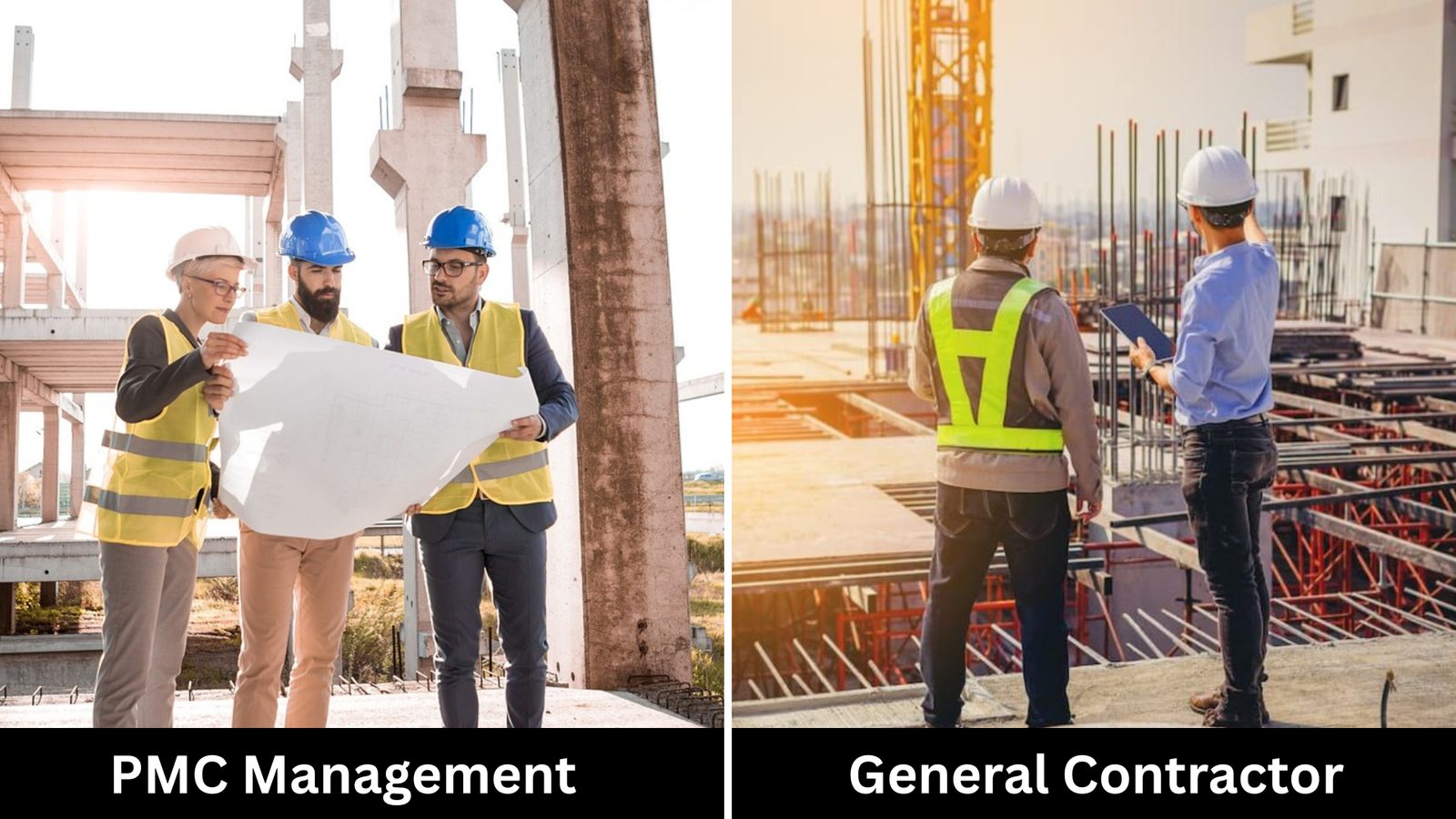
It’s important to understand that a PMC is not the same as a general contractor. A general contractor is responsible for the actual physical construction work, hiring labor, and executing the build. A PMC, on the other hand, works on behalf of the client to oversee and manage the entire project, including the contractor’s performance.
Think of it this way: the contractor builds the project, while the PMC ensures it’s built correctly, efficiently, and according to plan.
Industries That Benefit from PMC Services
PMC services are valuable across various construction sectors, including:
- Residential Development: Large housing projects and gated communities
- Commercial Construction: Office buildings, malls, and retail spaces
- Industrial Facilities: Factories, warehouses, and manufacturing plants
- Institutional Buildings: Hospitals, schools, and government buildings
How to Choose the Right PMC for Your Project
When selecting a Project Management Consultancy, consider the following factors:
Track Record: Look for a PMC with a proven history of successfully delivered projects similar to yours.
Technical Expertise: Ensure the team has qualified engineers, architects, and project managers.
Technology Adoption: A good PMC uses modern project management tools and software for scheduling, budgeting, and reporting.
Communication Skills: Since the PMC acts as a liaison between multiple parties, strong communication and reporting practices are essential.
Local Knowledge: Familiarity with local regulations, permits, and market conditions can be a major advantage.
PMC in construction plays a pivotal role in transforming complex, multi-stakeholder projects into well-organized, efficiently executed developments. By handling planning, procurement, scheduling, quality control, and risk management, a Project Management Consultancy allows clients to focus on their vision while experts handle the details of execution.
Whether you’re planning a residential complex, a commercial development, or an infrastructure project, partnering with an experienced PMC can be the difference between a stressful, delayed project and a smooth, successful one. If you’re considering a construction project, investing in professional project management consultancy services from Dhinwa Construction can be one of the smartest decisions you make, helping ensure timely delivery, cost efficiency, and high-quality results.
Have questions about how PMC services can benefit your next construction project? Reach out to our team today for a consultation.